
What Global Companies Need to Rethink When Entering the GCC
 By

The GCC (Gulf Cooperation Council) has become an attractive destination for global companies looking to expand into new markets. Countries such as the UAE, Saudi Arabia, Qatar, Bahrain, Oman, and Kuwait offer strong infrastructure, growing economies, business-friendly initiatives, and access to international markets.
However, entering the GCC is not simply about opening an office or registering a company. Global businesses need to rethink how they approach business setup, market entry, compliance, banking, taxation, and local operations.
A strategy that works well in Europe, Asia, or North America may not always work in the GCC. Understanding the regional business environment before entering the market can help companies reduce risks and build a stronger foundation for long-term growth.
1. Rethink Your Market Entry Strategy
One of the first things global companies should reconsider is their GCC market entry strategy.
The GCC is not one single market. Each country has its own regulations, business structures, licensing requirements, tax framework, and market conditions.
For example, a company planning to establish its regional headquarters in the UAE may have different requirements from a business entering Saudi Arabia or Qatar.
Before choosing a location, businesses should evaluate factors such as:
Target customers | Business activity | Ownership structure | Licensing requirements | Office requirements | Tax considerations | Banking needs | Future expansion plans
Choosing the right market and structure from the beginning can make expansion much easier.
2. Choose the Right Business Structure
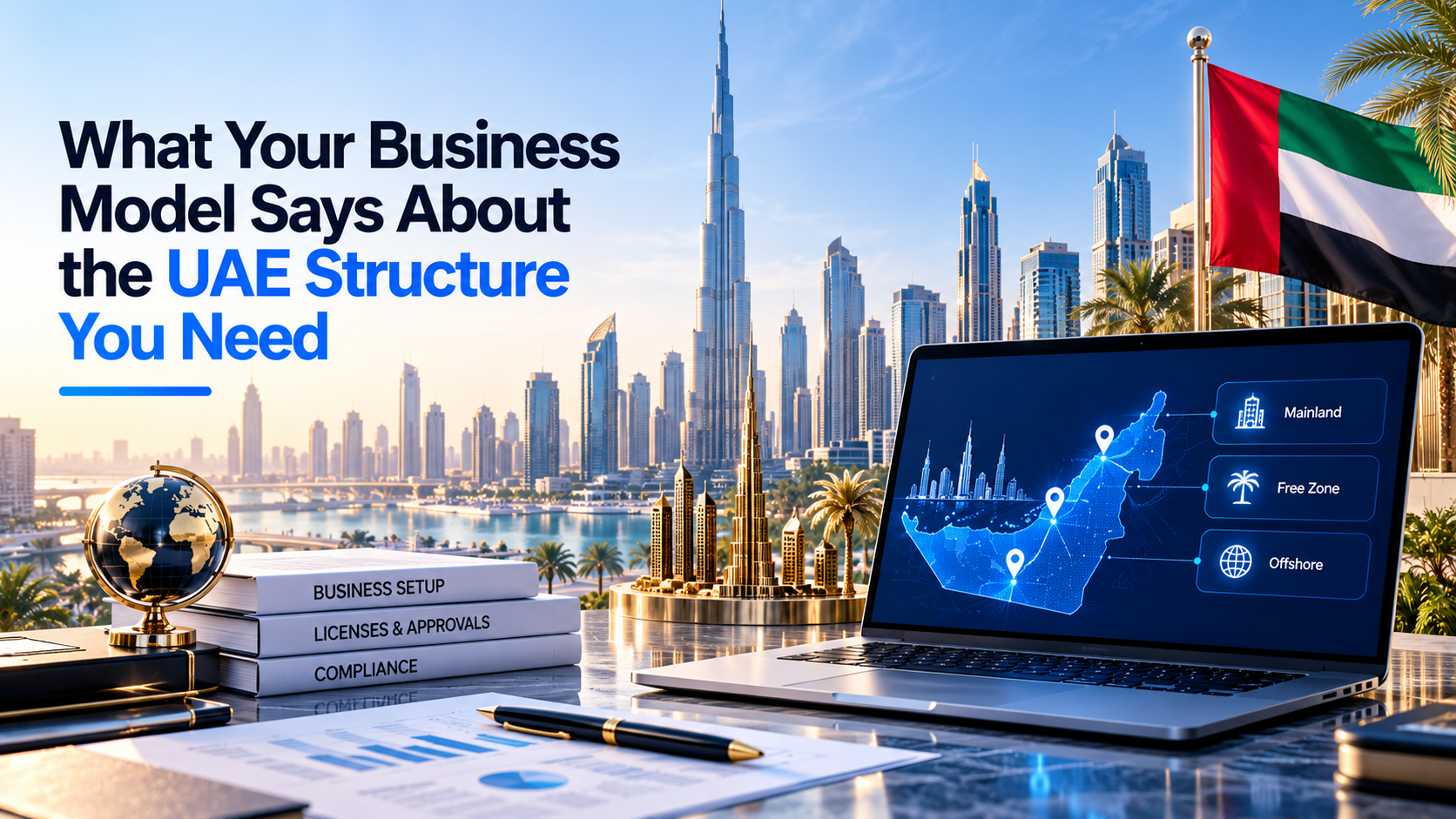
Company formation in the GCC requires careful planning. Businesses may have options such as mainland companies, free zone entities, branches, or other corporate structures depending on the country and activity.
The cheapest or fastest setup is not necessarily the best option.
A company should choose a structure based on how it plans to operate. For example, a company focused on international operations may have different requirements from one that wants to work directly with local customers.
This is where working with an experienced business setup consultant in Dubai can help companies understand their available options and make a more informed decision.
3. Local Regulations Matter
Global companies often underestimate the importance of GCC business regulations.
Licensing, employment rules, corporate compliance, tax registration, beneficial ownership requirements, and other regulatory obligations can vary between countries.
Businesses should therefore treat compliance as an ongoing responsibility rather than something that ends after company registration.
A proper compliance strategy can help businesses avoid unnecessary delays, penalties, and operational problems.
4. Banking Should Be Planned Early
Opening a corporate bank account can be an important part of setting up a business in the GCC.
Companies need to consider their expected transaction volumes, business model, source of funds, ownership structure, and documentation requirements.
Instead of waiting until after incorporation, businesses should consider their corporate banking requirements during the company formation process.
Proper preparation can make the banking process more organized and help businesses understand what documentation may be required.
5. Tax Planning Needs a Fresh Approach
Tax planning is another area global companies need to rethink when entering the GCC.
The region has introduced important changes in areas such as corporate tax, VAT, and economic substance requirements, depending on the country and business activity.
Businesses should understand their tax responsibilities before starting operations. This includes determining whether they need tax registrations, maintaining appropriate records, and meeting relevant filing requirements.
For companies entering the UAE, understanding UAE corporate tax and VAT obligations should be part of the initial business planning process.
6. Don’t Assume One GCC Strategy Fits All
A common mistake is treating the GCC as one uniform business environment.
While the countries share regional connections, each market has its own customers, regulations, economic priorities, and business culture.
A successful expansion strategy should therefore combine a regional vision with local execution.
Companies may use one country as their regional base while developing separate strategies for other GCC markets.
7. Business Culture and Relationships Matter
Business relationships are highly important when entering new markets.
Global companies should take time to understand local business culture, communication styles, decision-making processes, and relationship-building practices.
Building strong local relationships can support partnerships, customer acquisition, recruitment, and long-term market development.
Companies should avoid simply copying their existing international strategy without adapting it to the regional environment.
8. Think Beyond Company Formation
Company registration is only the beginning of entering the GCC.
Once the company is established, businesses may need support with corporate banking, accounting, tax registration, compliance, PRO services, visas, and ongoing administration.
This is why companies should look at GCC expansion as an end-to-end process rather than a one-time registration project.
At ReCorporate, businesses can get support across key areas of their GCC expansion journey, including company formation, licensing, corporate banking assistance, compliance, PRO services, and business setup support.
Having the right support structure can allow business owners and management teams to focus more on growth while their operational requirements are handled properly.
Building a Stronger GCC Expansion Strategy
The GCC presents significant opportunities for global companies, but successful expansion requires more than capital and a good business idea.
Companies need to rethink their market entry strategy, business structure, compliance approach, banking requirements, tax planning, and local operations.
The businesses that take time to understand these factors before entering the market are better positioned to build sustainable operations.
Whether you are planning company formation in Dubai, establishing a regional headquarters, or exploring opportunities across the GCC, the right planning can make the expansion process more efficient and structured.
With professional business setup and corporate support, companies can enter the GCC with greater clarity and build a foundation designed for long-term growth.
FAQs
1. What should global companies consider before entering the GCC?
Global companies should consider their target market, business structure, licensing requirements, taxation, banking, compliance, local regulations, and operational requirements before entering the GCC.
2. Is the GCC one single market for businesses?
No. The GCC consists of six countries, and each has its own regulations, licensing requirements, tax rules, and market conditions. Companies should develop a regional strategy while adapting their approach to each local market.
3. Why is choosing the right company structure important?
The right company structure can affect ownership, licensing, taxation, banking, operations, and future expansion. Companies should choose a structure based on their business activity and long-term plans rather than simply focusing on setup cost.
4. Do global companies need corporate banking support in the GCC?
Corporate banking is an important part of business operations. Companies should consider their banking requirements early and prepare the necessary corporate and business documentation.
5. What role does compliance play in GCC business expansion?
Compliance helps businesses meet applicable legal and regulatory requirements. It should be considered an ongoing part of operating a company rather than something that ends after incorporation.
Plan your next step with ReCorporate
Discuss your business activity, ownership, visa and workspace needs with our team. Requirements and fees depend on your circumstances and the relevant authority.