
Starting an Import and Export Business in Dubai: Licensing and Operational Factors to Consider

Dubai has become an important destination for businesses looking to connect with international markets. Its location, transport infrastructure, and access to regional and global trade routes make it an attractive base for entrepreneurs planning to buy, sell, and distribute products across borders.
However, starting an import and export business in Dubai involves more than finding suppliers and customers. Business owners must choose the right company structure, obtain the appropriate trade licence, understand customs procedures, and prepare for the operational responsibilities involved in international trade.
With proper planning and support from ReCorporate, entrepreneurs can better understand the business setup process in Dubai and prepare their import-export operations for long-term growth.
1. Choose the Right Business Activity and Licence
The first step is to identify the products you intend to import or export and the activities your company will perform. These details help determine the appropriate commercial trade licence in Dubai.
For example, a business dealing in textiles may require a licence covering the relevant textile trading activity, while a company handling several categories of goods may need to consider a general trading activity if permitted by the licensing authority.
The selected licence must accurately reflect the intended business activities. Certain products and industries may also require additional permits or approvals before they can be traded.
Before applying, entrepreneurs should confirm their activity requirements, ownership structure, and documentation with the relevant mainland licensing authority or free zone.
2. Decide Between Mainland and Free Zone Setup
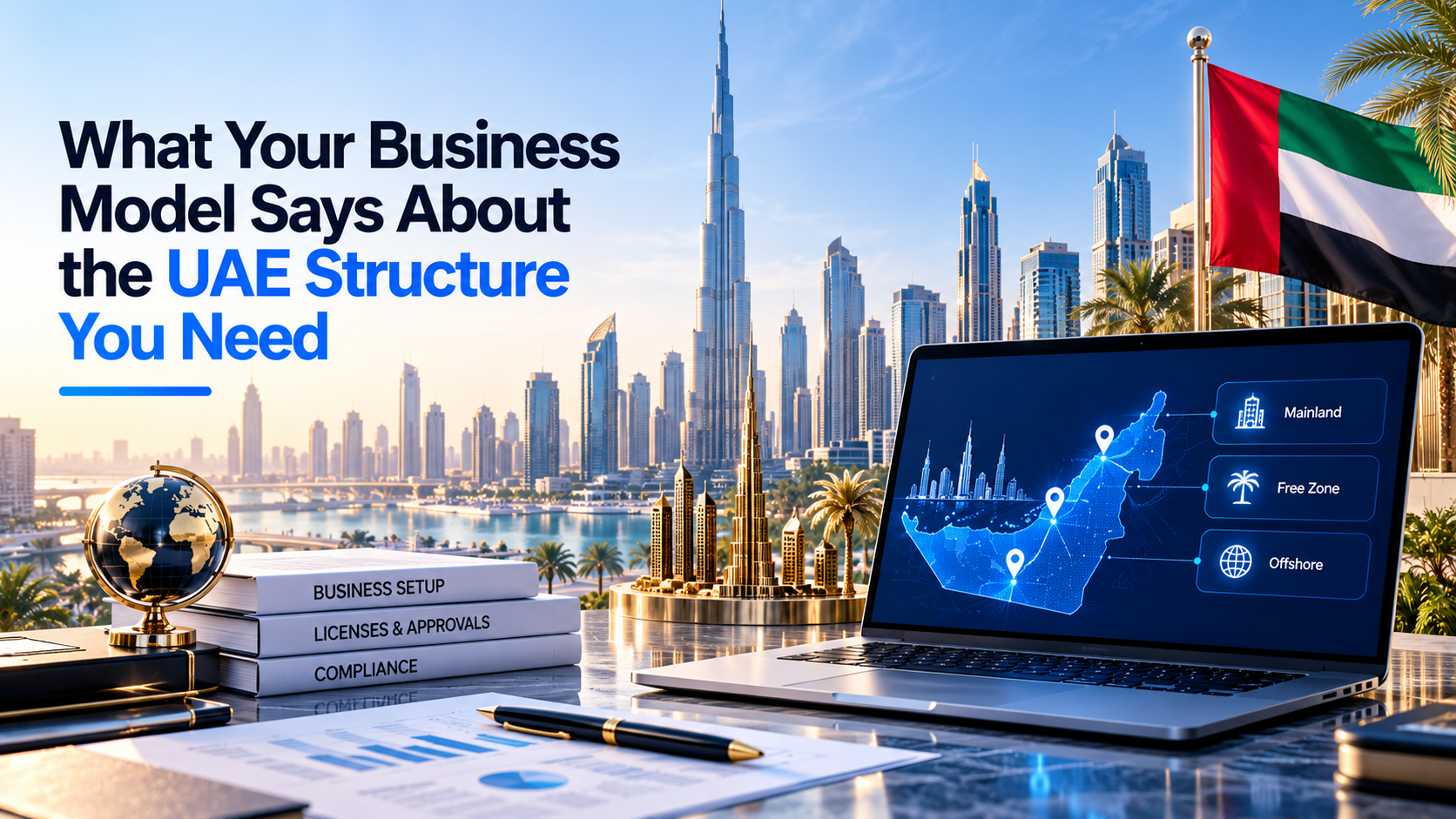
Choosing between Dubai mainland company formation and free zone company setup is another important decision.
A mainland business may suit companies planning to trade directly within the UAE market while also conducting permitted international trading activities. A free zone company may be suitable for businesses focused on international trade, re-exporting, or operations connected to a particular logistics hub.
However, the best option depends on the company's business model, the goods involved, its customers, and where its operations will take place. Moving goods between a free zone and the mainland can involve specific customs procedures and applicable charges.
Business owners should compare licensing conditions, warehouse requirements, logistics access, and the rules governing their intended transactions before selecting a jurisdiction.
3. Complete Customs Registration
Obtaining a trade licence is an essential step, but it does not automatically complete every requirement for importing or exporting goods.
Businesses must also determine the applicable Dubai Customs registration requirements and obtain the necessary customs business code to process customs declarations. The relevant registration process depends on the licensing authority and the company's business category.
Customs registration helps connect the business's licence and authorised activities with its import and export transactions. Entrepreneurs should arrange this step before planning their first shipment to avoid preventable delays.
It is also important to understand the customs declaration process, applicable duties, and any requirements that may differ according to the type of goods or their destination.
4. Understand Product Approvals and Trade Documentation
Not every product follows the same import and export procedure. Depending on the category, goods may require additional approvals, permits, certificates, or inspections from the relevant authorities.
For example, certain food products, cosmetics, medical products, electronics, and agricultural goods may be subject to specific regulatory requirements. Businesses should verify these requirements before purchasing stock or arranging transportation.
Accurate documentation is equally important. Common shipping documents include commercial invoices, packing lists, bills of lading or air waybills, and certificates of origin where applicable.
Incorrect product descriptions, missing paperwork, or inconsistencies between invoices and shipment details can cause delays during customs clearance. Maintaining organised records and coordinating with suppliers and freight forwarders can help make the process more efficient.
5. Plan Your Logistics, Warehousing, and Supplier Network
Successful import-export business operations in Dubai depend on more than licensing. Entrepreneurs must establish a reliable system for moving goods from suppliers to customers.
Consider whether your business needs a warehouse, third-party logistics provider, freight forwarding service, or direct shipping arrangement. Your choice will depend on product size, storage conditions, delivery timelines, and expected shipment volumes.
It is also important to evaluate supplier reliability, transportation costs, insurance, packaging standards, and contingency plans for unexpected delays.
Before entering a new market, calculate the full landed cost of each product, including purchase price, freight, insurance, customs duties where applicable, storage, and other handling charges. This helps you set realistic prices and protect your profit margins.
6. Prepare for Banking, Tax, and Ongoing Compliance
An import-export company needs an organised approach to payments and financial records. International transactions may involve different currencies, payment terms, supplier deposits, and settlement timelines.
Businesses should plan for corporate banking arrangements, maintain clear invoices and contracts, and keep records that support their transactions. Banks may request information about the company's ownership, business model, suppliers, customers, and expected transaction activity.
Companies should also assess their UAE VAT and corporate tax obligations based on their activities and circumstances. Import VAT, customs duties, and other tax considerations may apply differently depending on the transaction and applicable rules.
Obtaining professional advice before beginning operations can help business owners understand the relevant obligations and establish appropriate accounting and recordkeeping procedures.
How ReCorporate Can Help With Import-Export Business Setup
Setting up an international trading business requires coordination between company registration, licensing, operational planning, and relevant regulatory requirements.
ReCorporate supports entrepreneurs and established businesses with company formation in Dubai, mainland and free zone setup, business licensing, office solutions, corporate banking assistance, visa services, and PRO support.
For entrepreneurs planning an import-export venture, ReCorporate can help them understand the business setup options, identify the appropriate licensing route for their proposed activities, and organise the initial steps towards establishing their company.
The specific customs registrations, product approvals, and other permissions required should be confirmed with the relevant authorities or qualified specialists according to the goods and markets involved.
Conclusion
Starting an import and export business in Dubai can provide opportunities to serve customers across international markets, but a successful launch requires careful preparation.
Choosing the correct trade licence, selecting a suitable business jurisdiction, completing customs registration, preparing accurate shipment documents, and planning logistics are all important steps. Businesses should also account for banking, taxes, and ongoing compliance when developing their operating model.
With a clear business plan and support from ReCorporate, entrepreneurs can approach Dubai business setup with a better understanding of the requirements and build a stronger foundation for international trading.
Frequently Asked Questions
1. What licence is required to start an import-export business in Dubai?
Businesses generally need a commercial trade licence that covers their intended trading activities. The specific activity and any additional approvals depend on the goods involved and the licensing authority.
2. Is customs registration required for importing and exporting goods?
Businesses must meet the applicable customs registration requirements and obtain the necessary customs business code to process declarations. A trade licence alone may not be sufficient to clear shipments.
3. Is mainland or free zone setup better for an import-export business?
Neither option is best for every business. Mainland setup may suit companies serving the UAE market, while a free zone may fit certain international trading and re-export models. The decision depends on the intended activities and applicable rules.
4. Do all imported products require additional approvals?
No. Additional permits or approvals depend on the product category and the rules of the relevant authorities. Some regulated goods require specific checks before they can be imported or sold.
5. What documents are commonly required for international shipments?
Common documents include commercial invoices, packing lists, bills of lading or air waybills, and certificates of origin where applicable. The exact requirements depend on the product, shipment, destination, and customs procedure.
Plan your next step with ReCorporate
Discuss your business activity, ownership, visa and workspace needs with our team. Requirements and fees depend on your circumstances and the relevant authority.