How Can Better Business Planning Reduce Operational Challenges During Expansion?

Business expansion creates new opportunities, but it also brings operational challenges that can affect daily activities, financial stability, and long-term growth. Whether a company is entering a new market, opening another branch, hiring employees, or introducing additional services, careful planning is essential to manage the transition.
Without a clear strategy, businesses may face unexpected expenses, staffing difficulties, documentation issues, and delays in setting up operations. A well-prepared business expansion plan helps companies identify potential challenges, organise resources, and make informed decisions before moving forward.
1. Helps Identify Potential Operational Challenges
One of the biggest advantages of business planning is the ability to identify possible problems before they affect operations. Expansion may involve new licensing requirements, additional resources, changes in management, and different market conditions.
Businesses should evaluate their current operational capacity and identify areas that may need improvement. This includes reviewing existing processes, understanding regulatory requirements, and assessing whether the current business model can support additional activities.
A detailed business expansion strategy helps companies prepare for these changes instead of responding to unexpected situations at the last moment.
2. Improves Financial Planning and Budget Management
Expansion requires financial investment. Businesses may need to arrange additional office space, hire employees, purchase equipment, invest in technology, and manage new administrative expenses.
Without proper budgeting, these costs can place unnecessary pressure on cash flow. Companies should estimate initial setup expenses, ongoing operational costs, and additional financial requirements before entering a new market.
A realistic business financial plan also helps business owners allocate resources according to priorities. Maintaining an appropriate financial reserve can provide additional flexibility when unexpected expenses arise.
3. Creates Clear Roles and Responsibilities
As businesses grow, their operational structure often becomes more complex. A small team that previously managed daily activities may struggle when additional departments, branches, or international operations are introduced.
Planning helps define management responsibilities, reporting processes, and communication channels. Businesses can identify where new employees or specialised professionals may be required and establish clear responsibilities for each team.
A well-organised management structure supports better coordination and helps reduce confusion as the company expands.
4. Supports Better Compliance and Documentation Management
Entering a new market can introduce additional legal, licensing, and administrative requirements. Companies may need to review their business activities, update registration details, obtain relevant approvals, or meet local compliance obligations.
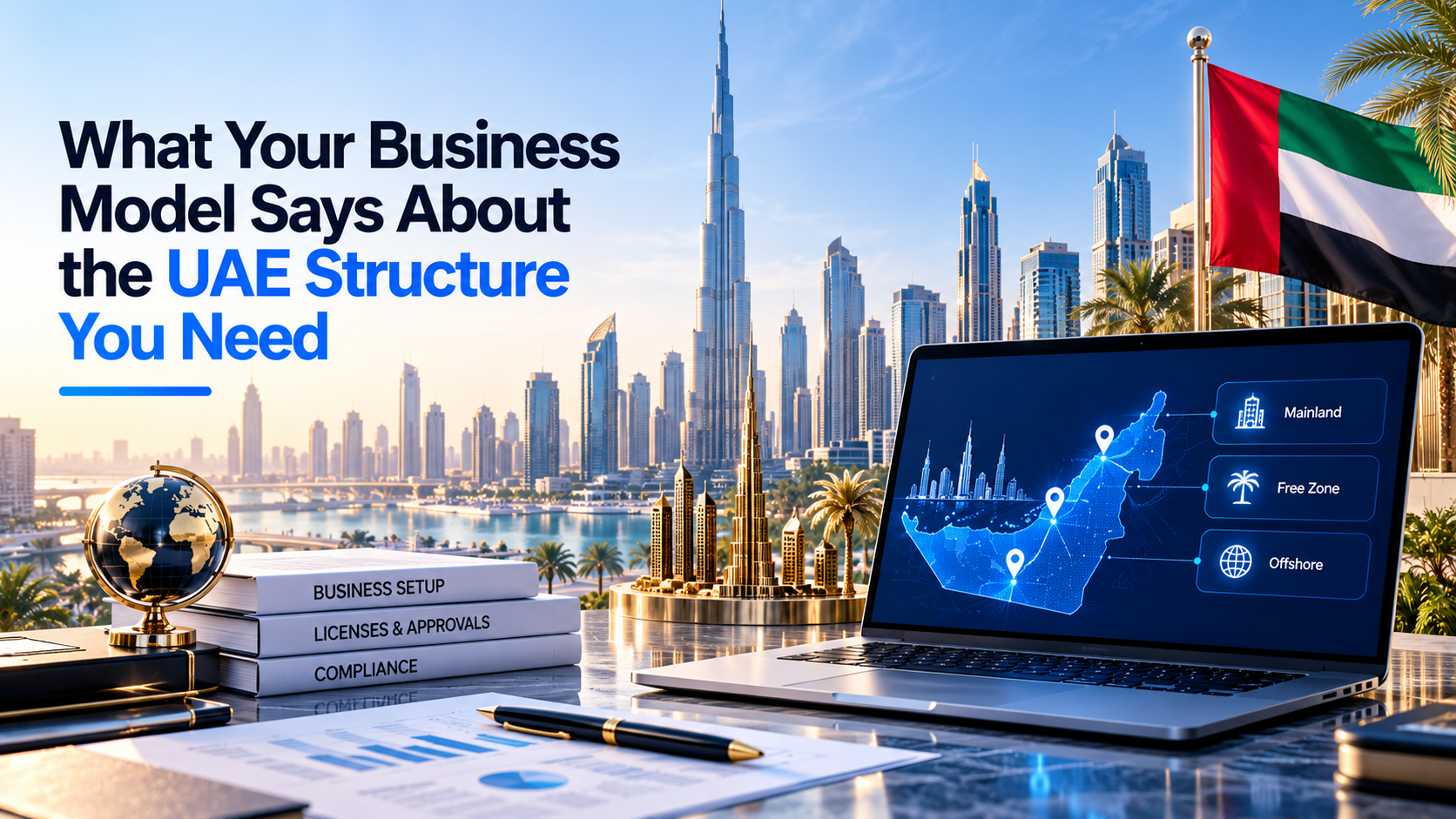
For businesses expanding into the UAE, understanding the applicable UAE company formation and business licensing requirements is particularly important. Mainland and free zone businesses may have different procedures depending on their activities and licensing authorities.
Preparing documents in advance and maintaining accurate company records can help businesses manage administrative responsibilities more efficiently. Professional guidance can also help business owners understand the requirements that apply to their chosen setup.
5. Strengthens Technology and Operational Systems
Business growth often increases the volume of transactions, customer information, internal communication, and administrative tasks. Systems that work well for a small business may not always support larger operations.
Companies should review whether their existing technology, accounting systems, customer management tools, and internal processes can handle increased demand.
Investing in suitable digital systems and automation can improve workflow management, reduce repetitive tasks, and support better information sharing across departments.
Planning technology requirements before expansion helps businesses avoid unnecessary system changes and operational disruptions later.
6. Makes Market Entry More Organised
Expanding into another city or country requires an understanding of local customer expectations, market conditions, business regulations, and operational requirements.
Businesses should research their target market before committing significant resources. This includes evaluating potential customers, competitors, pricing strategies, local partnerships, and the requirements for establishing a business presence.
For international expansion, companies should also assess the most suitable legal structure and jurisdiction. A carefully planned international business expansion strategy helps businesses align their market entry decisions with their long-term objectives.
7. Prepares the Business for Future Growth
Expansion should not only address immediate requirements. Businesses also need to consider how their operations may change over the next few years.
For example, a company opening its first international office may eventually need additional locations, employees, business activities, or administrative support.
Planning for future requirements helps businesses choose structures, systems, and resources that can accommodate growth. Regularly reviewing the expansion plan also allows management to adjust priorities as business conditions change.
How ReCorporate Supports Business Setup and Expansion
Expanding a business involves several decisions, including selecting the right jurisdiction, understanding licensing requirements, preparing documentation, and organising essential operational arrangements.
ReCorporate provides business setup and company formation services to help entrepreneurs and businesses explore suitable establishment options in the UAE. Its services include mainland company formation, free zone company setup, offshore company registration, business licensing, office solutions, bank account assistance, residency visas, PRO services, and compliance support, depending on the selected setup and applicable requirements.
Whether you are establishing a new company or planning to expand your existing business, ReCorporate can help you understand the relevant setup options and organise important steps involved in the process.
Conclusion
Business expansion becomes more manageable when companies plan ahead. Understanding operational requirements, preparing a realistic budget, assigning responsibilities, organising documentation, and reviewing technology systems can help reduce common challenges.
A strong business planning strategy allows companies to approach expansion with greater clarity and prepare for future opportunities. With the right planning and professional guidance from ReCorporate, businesses can build a more organised foundation for entering new markets and supporting long-term growth.
Frequently asked questions (FAQs)
1. Why is business planning important during expansion?
Business planning helps companies prepare for additional costs, operational changes, staffing requirements, compliance responsibilities, and market challenges before expanding.
2. What are the common operational challenges businesses face during expansion?
Common challenges include increased operating costs, staffing difficulties, documentation requirements, technology limitations, communication gaps, and managing operations across multiple locations.
3. How can businesses manage financial risks during expansion?
Businesses can manage financial risks by preparing realistic budgets, estimating ongoing expenses, monitoring cash flow, and maintaining financial reserves for unexpected costs.
4. Why should companies review their business structure before expanding internationally?
Different countries have different company formation, ownership, licensing, and compliance requirements. Reviewing the business structure helps companies identify a suitable setup for their expansion plans.
5. How can ReCorporate support businesses planning to expand in the UAE?
ReCorporate provides company formation and business setup assistance, including licensing, mainland and free zone setup, office solutions, bank account assistance, residency visas, PRO services, and compliance support, depending on the selected requirements.